



How AI Is Transforming QA: From Manual Testing to Intelligent Validation
The Limitations of Traditional QA
Traditional QA workflows rely heavily on human testers executing predefined scripts and manually verifying expected outcomes. While effective for smaller projects, this approach struggles under modern development pressures.
Key challenges include:
- Slow feedback cycles: Manual testing often delays releases, especially in CI or CD environments.
- Limited coverage: Human testers cannot cover every edge case in complex and dynamic applications.
- Error prone execution: Repetitive tasks cause fatigue, increasing the likelihood of missed issues.
- Reactive validation: Problems are found only after they occur instead of being prevented proactively.
As systems evolve faster and integrate more distributed or intelligent logic, these weaknesses become more expensive.
How AI Is Transforming QA Workflows
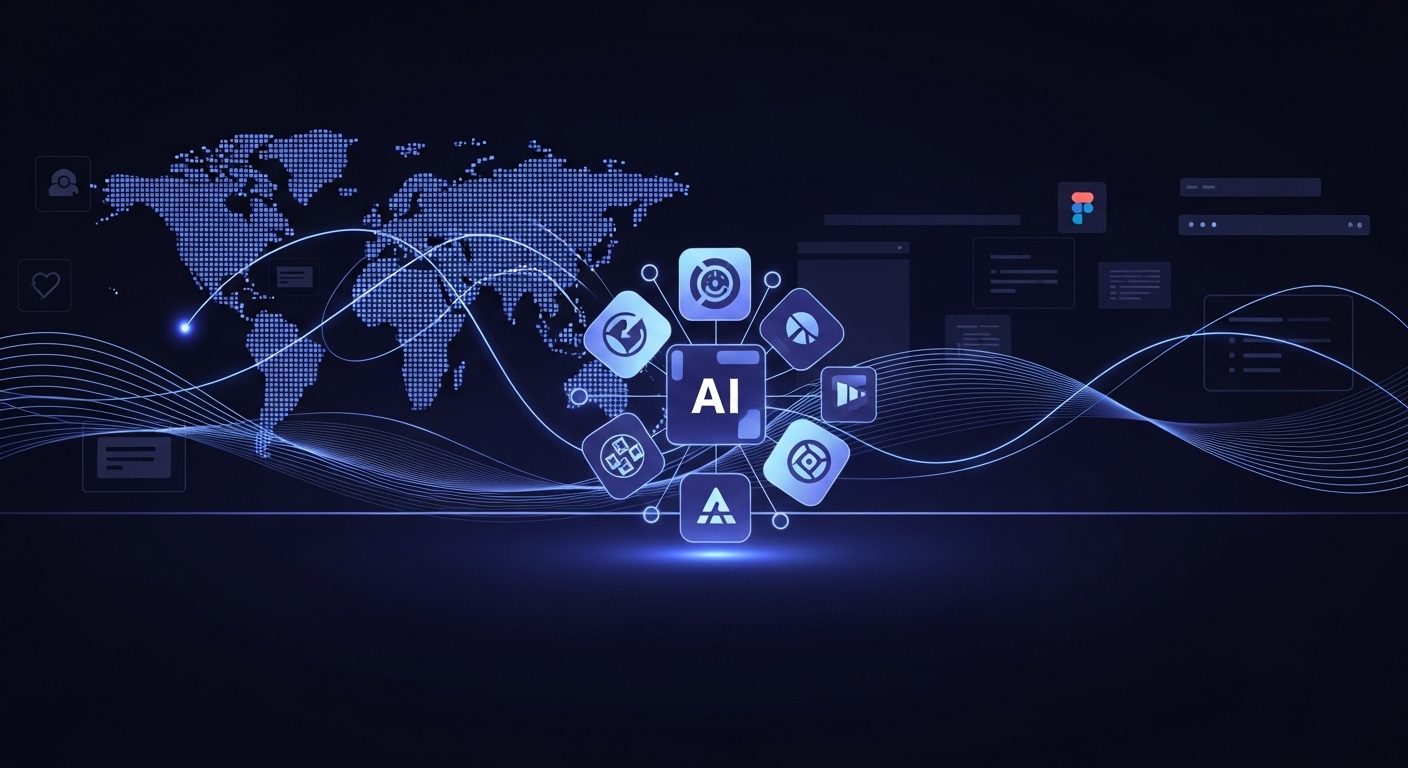
AI introduces automation, reasoning, and adaptability into QA processes. Instead of relying only on static test scripts, AI tools learn from historical tests, user behavior, and production logs to predict where bugs are most likely to appear.
1. Intelligent Test Generation
AI models can automatically create test cases based on code structure, API definitions, and past defect patterns. This expands coverage and ensures that critical paths and corner cases receive attention. Tools such as Testim, Functionize, and Applitools analyze applications dynamically and propose optimized test scenarios.
2. Adaptive Test Maintenance
Traditional automation frameworks require frequent script updates when UI elements or APIs change. AI test systems detect these changes automatically and update test cases with minimal human involvement, reducing maintenance work significantly.
3. Visual and Functional Validation
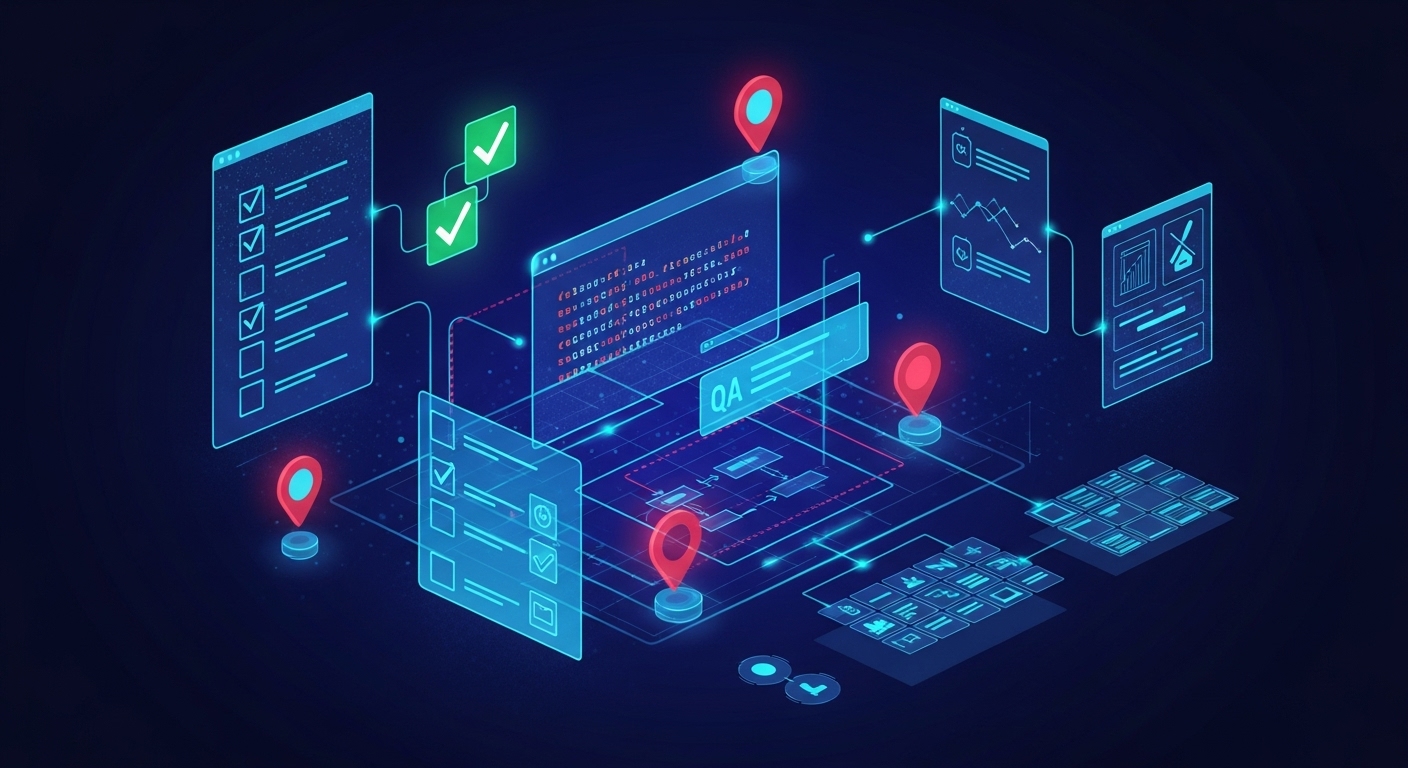
AI powered visual validation tools compare UI snapshots with expected designs, detecting subtle layout changes in spacing, alignment, or color. Beyond visual checks, AI also validates data flows and functional logic across the entire stack.
4. Predictive Quality Analytics
Machine learning models trained on past release data can predict where future defects are most likely to appear. QA teams can then prioritize high risk areas and increase defect detection rates with less wasted effort.
5. Continuous Learning
Each new test cycle provides data that helps AI systems improve accuracy. The more these tools observe, the better they understand application behavior and common failure patterns.
The Benefits of Intelligent Validation
AI driven QA unlocks levels of speed and precision that are impossible to achieve with manual testing alone.
AI validation tools turn QA into a continuous, intelligent process instead of a single checkpoint before release.
How Teams Can Implement AI in QA
Adopting AI for QA does not require replacing existing tools immediately. The process begins with integrating intelligent layers into current workflows.
- Start with data: Collect and structure historical test results, bug reports, and performance metrics.
- Integrate AI testing tools: Add automated test generation and visual validation platforms into CI or CD pipelines.
- Target high value areas first: Apply AI to regression, performance, and UI testing for fast returns.
- Enable feedback loops: Retrain models with new test data to improve reliability.
- Monitor and refine: Track test coverage, false positives, and defect escape rates to tune your strategy.
Over time, this approach evolves into a self improving QA framework that grows stronger with every release.
The Future of QA Is Continuous and Autonomous
AI will continue to shift QA from reactive testing toward autonomous quality management. In the future, AI systems will not only detect and predict issues but also automatically fix or roll back problematic builds in real time.
Developers and QA engineers will focus on strategy, exploration, and test design while AI manages execution, maintenance, and validation at scale. This collaborative model will become the new foundation of high reliability engineering.
Ready to modernize your QA process with intelligent validation?
Contact us for help creating faster, smarter, and more reliable testing workflows powered by AI.