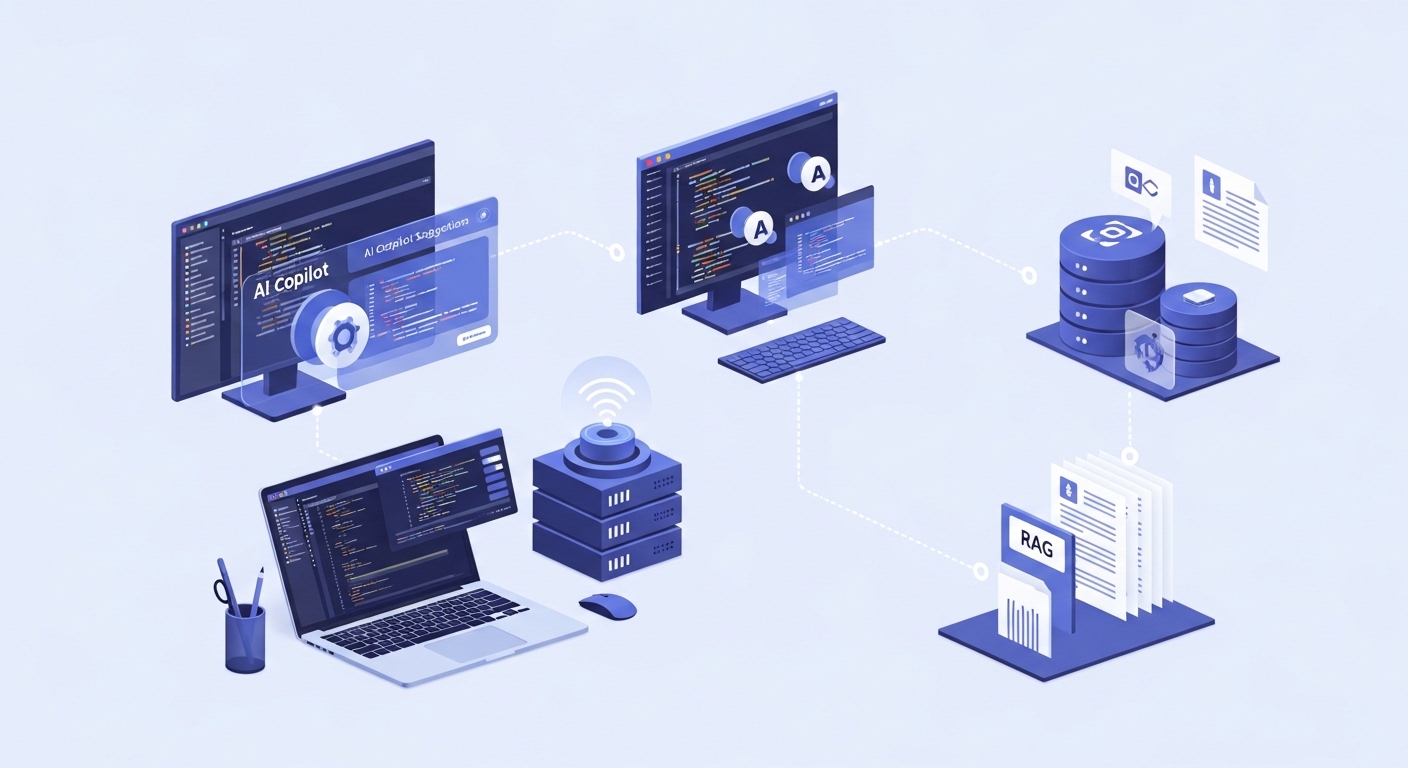




Node, Python, or Go? How AI Can Help You Choose the Right Stack
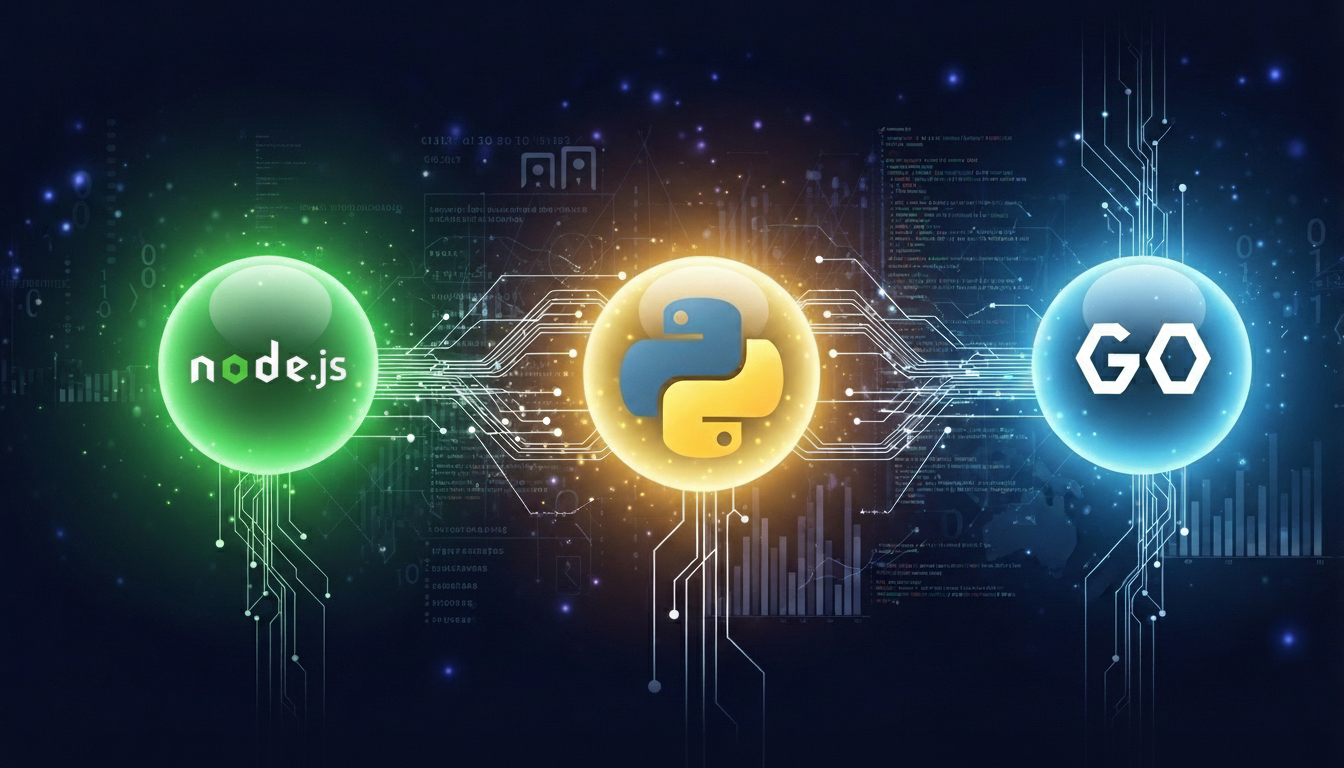
Understanding the Strengths of Each Language
Before diving into AI-driven stack selection, it is essential to understand the natural strengths of each language. Each ecosystem shines in different areas of software development.
Each option comes with trade-offs in performance, scalability, developer productivity, and ecosystem maturity. This is where AI can step in to guide better decisions.
How AI Can Assist in Stack Selection
AI can help analyze technical and business factors that affect which stack fits best. By processing project data, architecture goals, and historical performance metrics, AI models can offer insights that go beyond developer intuition.
1. Requirement Analysis Through Natural Language
AI can read project briefs or technical documents written in plain English and translate them into structured requirements. For example, if a project requires real-time communication, fast API responses, and lightweight containers, the AI might recommend Node or Go. If the project involves data modeling or ML integration, Python would score higher.
2. Codebase Analysis
AI tools can scan existing repositories and determine compatibility with a new language or framework. This helps avoid costly rewrites by identifying shared dependencies and patterns. For instance, if a company already uses React and TypeScript, sticking with Node might reduce complexity.
3. Performance Prediction and Benchmarking
Machine learning models can simulate how each language would perform under specific workloads. They can analyze CPU utilization, memory usage, and response times from previous deployments to predict which stack will scale better.
4. Hiring and Team Skill Alignment
AI workforce analytics can assess your current team’s skill profiles to recommend a stack that aligns with existing expertise. Instead of retraining a full backend team, AI can help find the most efficient way to evolve your stack gradually.
5. Maintenance Forecasting
AI-powered DevOps tools can estimate the long-term maintenance cost of different stacks by analyzing bug frequencies, dependency vulnerabilities, and package lifespans. This data-driven view helps teams choose a sustainable technology path.
Real-World Scenarios: When Each Stack Wins
Below are examples of when AI might recommend each language depending on the technical and strategic context.
AI tools such as architectural recommendation engines or project analyzers can generate these types of decisions automatically using project data.
Building AI-Assisted Architecture Decisions
To use AI effectively for stack selection, teams can integrate it into their planning and DevOps workflows. Some practical approaches include:
- Prompt-based analysis: Use AI assistants to evaluate architecture briefs and output technology stack options ranked by fit.
- Historical data training: Feed past project metrics into a model to identify which stacks delivered the best outcomes under similar conditions.
- Automated benchmarking: Run small prototype builds in multiple languages, then let AI measure runtime performance automatically.
- Continuous feedback loops: Connect AI tools with CI/CD pipelines to track long-term performance of chosen stacks and suggest refinements.
These techniques create a feedback system that improves over time, aligning technical choices with business goals and real-world outcomes.
The Future of Stack Decision-Making
As development teams adopt more AI-driven workflows, choosing a tech stack will become increasingly scientific. Instead of relying on preference or habit, data will guide decisions. AI will soon integrate directly into project management systems, automatically suggesting architectures that balance performance, cost, and maintainability.
In the near future, large language models fine-tuned for engineering strategy could evaluate entire product roadmaps and forecast how technology choices affect scalability and hiring needs. The best stack will no longer be a matter of taste — it will be a measurable, optimized decision supported by AI.
Ready to use AI to guide smarter engineering decisions?
Contact Amplifi Labs to explore how intelligent development tools can help your team choose, build, and scale the right stack.