



The 5 Biggest Risks of Adopting AI Coding Assistants

1. Code Quality Issues Hidden Behind Speed
AI generated code is fast, but not always safe or correct. Models sometimes produce insecure patterns, outdated libraries, or logic errors that only appear in staging or production.
How to mitigate
- Implement a mandatory human review workflow
- Use automated linters, test coverage gates, and SAST tools
- Treat AI output as a starting point, never a final source of truth
- Train developers to prompt for reasoning and explanations, not only code
This ensures velocity does not compromise stability or long term maintainability.
2. Dependency on Model Behavior Instead of Engineering Judgment
AI assistants can create a sense of over reliance, causing developers to accept suggestions without critical thinking. This leads to knowledge erosion, shallow understanding of codebases, and increased onboarding friction.
How to mitigate
- Require developers to annotate or explain accepted AI suggestions
- Pair junior developers with experienced reviewers
- Create internal guidelines about when to trust or reject AI output
- Encourage teams to use AI for exploration, not delegation of full responsibility
AI should augment engineering judgment, not replace it.
3. Security and Intellectual Property Risks
AI assistants may unintentionally generate snippets from training data or introduce patterns that violate licensing rules. Some companies also worry about sending sensitive code to external providers.
How to mitigate
- Choose tools with strong data governance guarantees
- Prefer local or self hosted models when working with sensitive code
- Run license compliance checks for all generated code
- Use redaction or filtering before sending prompts to external APIs
Security must be treated as a first class requirement when adopting AI tooling.
4. Workflow Fragmentation and Tool Sprawl
With so many assistants on the market, engineering teams often test multiple tools at once. This creates inconsistent workflows, duplicated effort, and friction between environments like IDEs, terminals, and CI pipelines.
How to mitigate
- Standardize on a short list of approved tools
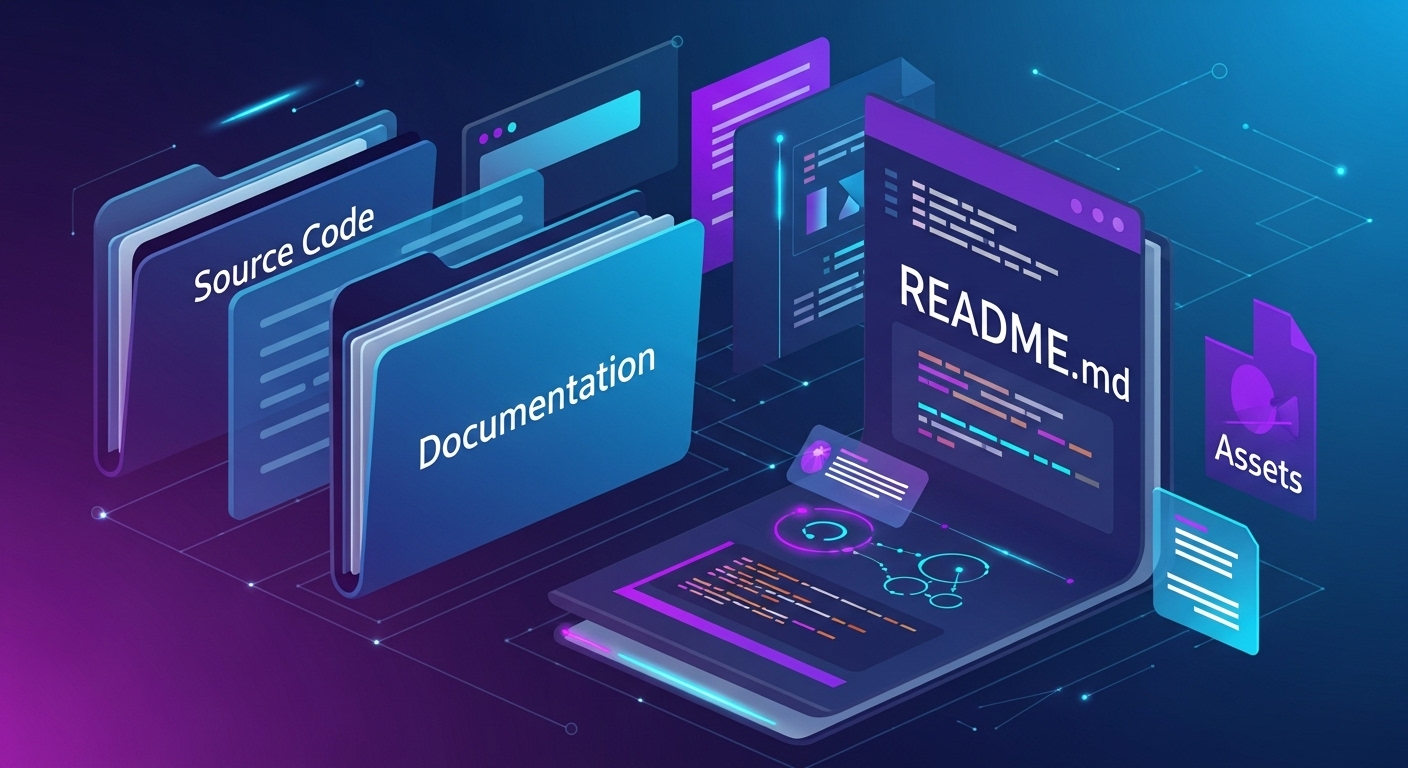
- Document workflows for prompting, testing, and debugging
- Integrate AI assistants directly into CI and code review processes
- Run quarterly audits to reassess what provides real value
Alignment across the team ensures productivity improvements compound over time.
5. Compliance and Auditability Gaps
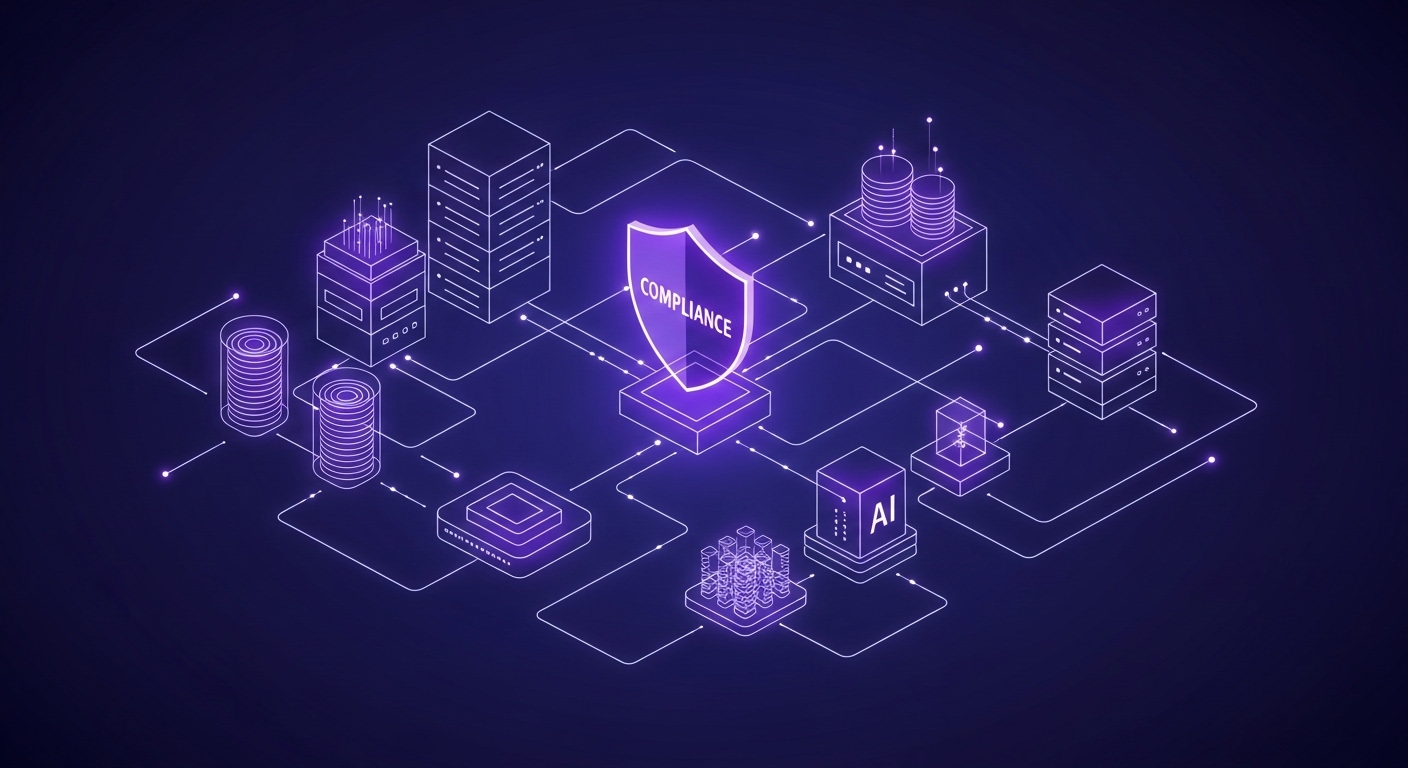
Enterprise teams need traceability. They must understand why a piece of code was generated, who approved it, and whether it meets regulatory or contractual requirements. Many AI tools produce output without transparent reasoning.
How to mitigate
- Use assistants that generate reasoning and justification
- Store explanations in pull requests or code review notes
- Establish versioning rules for AI generated decisions
- Build a lightweight audit trail for changes introduced through AI
Clear documentation avoids compliance surprises and supports long term code governance.
Final Thoughts
AI coding assistants are powerful, but only when adopted with intention. With strong controls, clear workflows, and a balanced human in the loop approach, teams can safely leverage these tools to accelerate delivery, improve quality and scale development capacity.
If your organization wants help selecting the right AI development stack or implementing a safe adoption framework, we can support your journey.
Talk to us and build your AI enhanced engineering workflow the right way.